| Pottery - Overglazing | ||||
|
||||
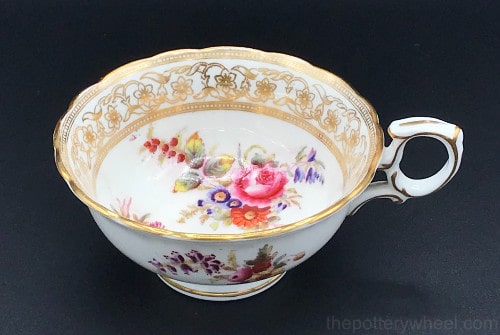
Overglaze is a specialist type of decorative glaze that is applied to pottery that has already been glaze fired. These decorative glazes are also known as luster glazes. They are made of metal particles in a liquid suspension. And they come in different metallic colors and effects. These include gold, platinum, and mother of pearl.
Usually, overglaze lusters are applied using a fine painting brush. They are painted directly onto the glazed surface of the pottery. Then they are fired again at a much lower temperature than the original glaze was fired at. There are a couple of reasons why they are fired at a lower temperature. The first is that you don’t want the original glaze layer to soften up again and start to melt along with the luster. But also, when firing the luster, the ingredients in the overglaze burn away leaving the melted metal particles on the pottery. It doesn’t need to be fired at a very high temperature to melt the metal particles. Usually, overglaze lusters are fired at between cone 017 and 022. This is equal to temperatures between 1405F(763C) and 1094F (590C). The overglaze will take on the finish of the glaze beneath it. So, if the first glaze layer is shiny and glossy then the overglaze will have a high shine too. Equally, if the original glaze is matte or satin, then the overglaze will have a matte or satin finish as well.
Reference - thepotterywheel.com -
|
||||
About Me | Contact Me | Site Map
Property of Mr. D - 2023